Bursa Night Guard Treatment: A Scientific Solution for Teeth Grinding (Bruxism) and Jaw Pain
The intense stress, sleep irregularities, and psychological tension brought on by modern life create the conditions for many parafunctional habits to develop in our bodies without us realizing it. At the forefront of these habits is the problem of teeth clenching and grinding during sleep, known in the medical literature as "bruxism." Most people are not even aware that they clench their teeth throughout the night; however, they wake up with fatigue in the jaw muscles, headaches concentrated at the temples, and unexplained sensitivity in the teeth. Scientific data show that the chewing force generated during sleep can reach up to 3 to 4 times the biting force used during normal eating.
This uncontrolled excessive mechanical pressure leads to microcracks in the enamel, shortening of the teeth, gum recession, and most importantly, permanent damage to the jaw joint (Temporomandibular Joint - TMJ). In today’s preventive and prosthetic dentistry, the most effective medical approach that absorbs these destructive forces and protects the teeth and jaw joint is Bursa night guard treatment (occlusal splint) applications. In Bursa’s advanced dental clinics, these guards are produced with digital intraoral scanners and personalized biomechanical measurements, improving patients’ sleep quality while also safeguarding oral health. In this comprehensive clinical guide, we will examine the biological damage caused by bruxism, personalized guard types, and all the medical details of Bursa night guard treatment processes.
What Is Teeth Clenching (Bruxism) and How Does It Harm Oral Health?
Bruxism is the condition in which the lower and upper teeth are forced tightly against each other or rubbed together as a result of involuntary and rhythmic contraction of the chewing muscles (especially the masseter and temporal muscles). It can be seen both during sleep (nocturnal bruxism) and during the day in moments of intense focus or stress (diurnal bruxism).
Tooth Enamel Wear and Risk of Fracture
Although human tooth enamel is the hardest tissue in the body, it is vulnerable to constantly repeated horizontal friction forces (attrition). As the teeth grind against each other throughout the night, the incisal edges flatten, the enamel layer thins, and the underlying yellow dentin layer becomes exposed. This causes the teeth to look older aesthetically and leads to severe sensitivity to cold and hot stimuli. In addition, porcelain fillings, zirconia crowns, or titanium implants already present in the mouth also face the risk of fracture or loosening under this excessive pressure. A properly planned Bursa night guard treatment immediately stops this mechanical damage by preventing direct contact between the upper and lower teeth.
Jaw Joint (TMJ) Problems and Headaches
The most insidious and painful consequence of the teeth-clenching habit is Temporomandibular Joint (TMJ) dysfunction. Overcontracted jaw muscles push the mandibular condyle toward the joint socket, causing disc displacement and inflammation in the joint. Patients usually present to clinics with the following symptoms:
Dull pain and jaw fatigue felt in the cheeks and temple area upon waking in the morning.
"Clicking" or "crackling" sounds coming from in front of the ear when opening and closing the mouth.
Limited jaw movement, inability to open the mouth fully, or jaw locking.
Tinnitus, and referred pain radiating to the neck and shoulder muscles.
Bursa Night Guard Treatment: Custom Splint Types
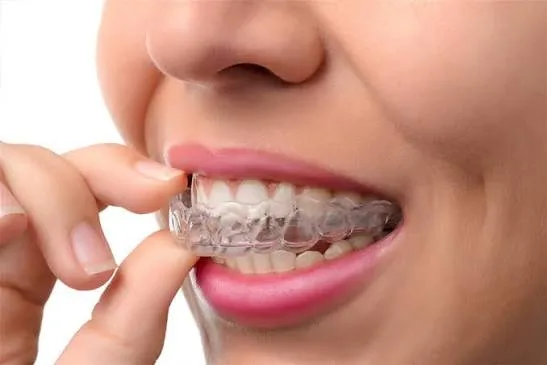
Standard (prefabricated) plastic guards bought from pharmacies or online and softened in hot water to fit the mouth may worsen jaw pain because they are not suitable for jaw closure dynamics. The medically and scientifically valid Bursa night guard treatment consists of "Occlusal Splint" applications produced individually by a specialist physician after analyzing the patient’s jaw movements.
Rigid Occlusal Splints (Michigan Splint)
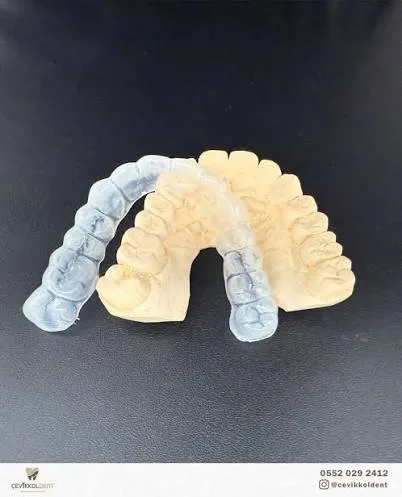
This is the type of guard accepted as the gold standard, especially for patients with advanced teeth-grinding problems and jaw joint (TMJ) disorders. It is made of transparent, biocompatible, rigid acrylic material. The surface of rigid splints is prepared by being milled down at the millimeter level (occlusal adjustment) so that the opposing jaw’s teeth can glide freely. This design relieves spasm in the chewing muscles, guides the lower jaw to its ideal and relaxed anatomical position, and eliminates pressure on the joint.
Soft and Dual-Layer (Dual) Guards
For patients with a mild teeth-clenching habit who only want to protect the enamel and newly made aesthetic restorations (zirconia or porcelain laminate), soft or soft-inside, hard-outside (dual-laminate) guards may be preferred. The inner surface being made of a soft silicone layer makes it easier for the patient to adapt to the guard and does not create sensitivity on the teeth. However, in severe bruxism cases, soft guards may trigger the chewing reflex more, so the physician should decide which material to use during the Bursa night guard treatment examination.
In the table below, you can review a scientific comparison of the clinical characteristics of night guard types:
Guard Type | Material Structure | Mechanism of Action | Ideal Use |
Rigid Occlusal Splint | Medical-grade hard acrylic (transparent) | Relieves muscle spasm, relaxes the jaw joint (TMJ). | Severe bruxism, jaw joint pain, and locking |
Dual-Layer (Dual) Guard | Soft inside, hard outside thermoplastic | Cushions the teeth, outer surface is wear-resistant. | Moderate teeth clenching and implant/crown protection |
Soft Night Guard | Flexible medical silicone/polymer | Prevents direct friction between the upper and lower teeth. | Mild teeth grinding and basic protection |
Prefabricated (Standard) Guards | Moldless thermoplastic (Not Recommended) | May disrupt the bite balance and cause tooth shifting. | Absolutely not recommended in clinical dentistry |
How Does the Digital Measurement and Night Guard Treatment Process Proceed?
In modern Bursa night guard treatment protocols, computer-assisted digital dentistry technologies are used instead of traditional putty impressions, which trigger the gag reflex in patients.
Intraoral 3D Scanning and Bite Analysis
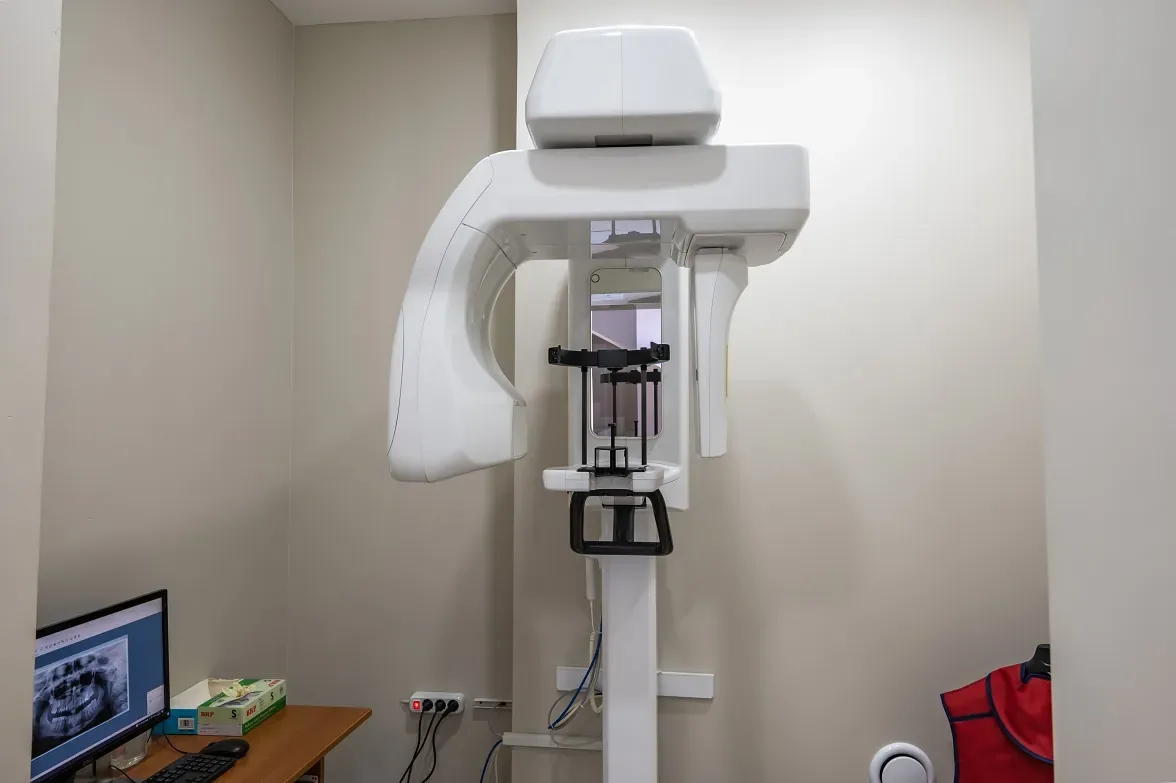
The process begins with the physician’s detailed examination of the jaw muscles (palpation), joint sounds, and wear surfaces on the teeth. Then, using intraoral optical cameras (3D Intraoral Scanner), a digital model of the upper and lower jaws is created with micron-level precision. The patient’s bite relationship is also recorded digitally. Based on the data obtained, a guard that fits the patient’s dental arches exactly is produced in the laboratory with the help of 3D printers or CAD/CAM milling devices.
Guard Use and Care Protocols
At the appointment when the guard is delivered, the physician places it in the patient’s mouth and ensures that all teeth contact the guard surface with equal force. The basic rules the patient should follow for the treatment to be successful are as follows:
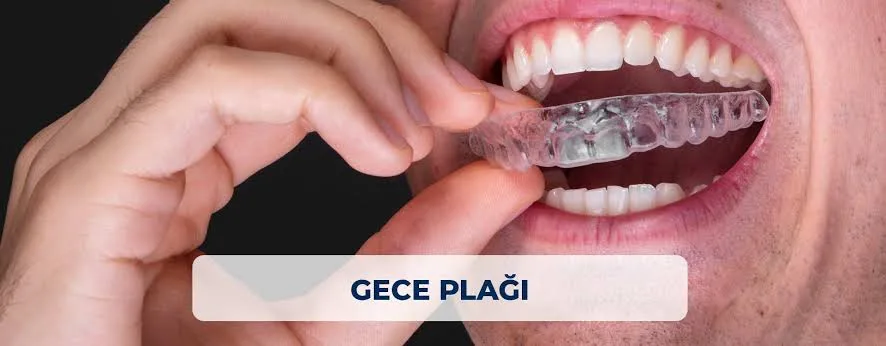
Regular Use: The guard should be worn every night before going to bed, after brushing the teeth, as recommended by the physician. It is normal for it to cause increased saliva or a slight feeling of fullness during the first few nights; the tissue adapts quickly.
Proper Cleaning: The guard removed in the morning should be cleaned under cold or lukewarm water with a soft toothbrush and liquid soap (or special denture cleaning tablets). Toothpaste can scratch the guard due to its abrasive particles; hot water can deform its shape and prevent it from fitting properly in the mouth.
Storage Conditions: When not in use, the guard should be stored in its special protective case with ventilation holes to prevent bacterial growth and breakage.
Periodic Checkups: As the chewing muscles relax, the lower jaw’s bite position may change. Therefore, during the Bursa night guard treatment process, it is necessary to attend follow-up appointments at the intervals determined by the physician (for example, 1. month and 6. month) so the required millimetric adjustments can be made on the guard surface.
Conclusion: Take Action for Pain-Free Mornings and Healthy Teeth
Teeth clenching and grinding is a chronic condition that should not be ignored as just a temporary sign of stress. The pressure, equivalent to tons of force, that you unknowingly apply throughout the night can, over the years, lead to the fracture of your healthy teeth, damage to your aesthetic restorations, and jaw joint disorders that are difficult to reverse.
Prepared with personalized digital measurements, Bursa night guard treatment is a completely preventive, comfortable, and scientific solution that does not require surgical intervention. Do not postpone a detailed jaw joint and bite examination by consulting specialist dentists so you can wake up in the morning with rested muscles instead of head and jaw pain, and protect your natural teeth for a lifetime.
Legal Notice and Information
This content has been prepared solely to scientifically inform patients and the public about bruxism (teeth grinding), jaw joint health, and occlusal splint applications, in full compliance with the rules of the Law No. 1219 on the Practice of Medicine and its Branches and the Regulation on Promotional and Information Activities in Health Services issued by the Ministry of Health. The information in the content does not contain a definitive diagnosis or "guaranteed results" for any disease. In order to medically determine the night guard type most suitable for your jaw structure, you must consult a specialist dentist and undergo an in-person clinical examination.

Doka Klinik Dental Team
This article is for information only; please consult our dentists for a treatment plan tailored to you.