Bursa Periodontology: Gum Diseases and Treatment Approaches
Oral and dental health does not mean having only teeth free of decay; it also requires the tissues surrounding and supporting those teeth to be healthy. The structures that hold teeth together, connect them to the jawbone, and form the first line of defense within the oral cavity fall within the specialty of periodontology. The studies carried out and treatments applied in the field of Bursa periodontology aim to increase patients’ awareness of gum diseases and to take the necessary precautions at an early stage. In this guide, what periodontology is, how gum diseases develop, and how treatment processes progress in light of current scientific approaches are discussed in detail.
What Is Periodontology and Which Tissues Does It Deal With?
Periodontology is the branch of dentistry that examines the anatomy and physiology of the soft and hard tissues surrounding the teeth, the diseases that occur in these tissues, and the treatment of these diseases. Our teeth are not structures directly embedded in the jawbone. Between the tooth root and the jawbone, there are fibers called the periodontal ligament, which give the tooth flexibility and absorb chewing forces. In addition, the cementum layer covering the root surface, the part of the jawbone that supports the tooth (alveolar bone), and the gum that surrounds this entire system from the outside are the main areas of study in periodontology.
Structural damage or infections occurring in any of these tissues can, if left untreated, lead to tooth loss even though the tooth itself is completely healthy. For this reason, periodontists aim not so much to save the tooth as to secure the foundation that keeps the tooth in the mouth. The stronger the foundation of a building, the longer it lasts; gum and surrounding bone tissue perform exactly this function for teeth.
How Do Gum Diseases Develop?
The main cause of gum diseases is the microbial dental plaque that accumulates on tooth surfaces and at the gumline. Residues left in the mouth after food is consumed and components in saliva combine with bacteria to form a sticky, colorless layer on the teeth. When this plaque layer is not removed through regular brushing and flossing, it hardens under the influence of minerals in saliva and turns into tartar (calculus).
Tartar creates a rough surface that allows more bacterial plaque to adhere to it. The toxins produced by bacteria trigger an inflammatory reaction in the gums. While the body’s immune system tries to fight these bacteria, the inflammatory cells that emerge begin to damage not only the bacteria but also the tissues that support the teeth. The progression of the disease is generally examined in two main stages:
Gingivitis (Early Stage)
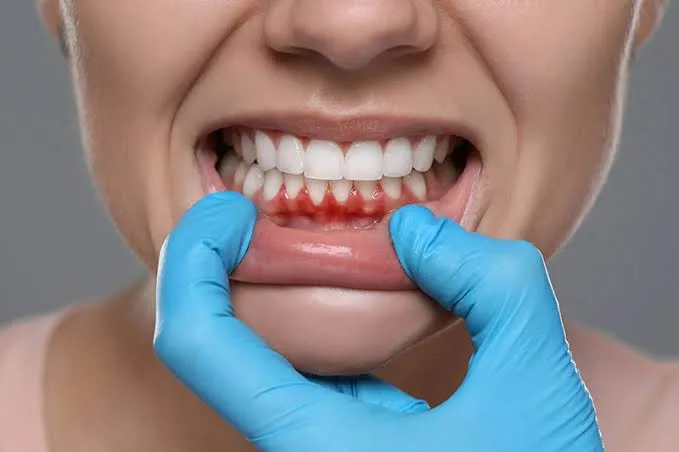
This is the earliest stage of gum disease. At this stage, the inflammation is limited to the gums; no destruction has yet occurred in the jawbone or the connective tissues supporting the teeth. The gums become red, swollen, and sensitive to touch. The most notable symptom is bleeding during tooth brushing or biting into a hard food. A healthy gum definitely does not bleed. Gingivitis is a completely reversible condition with proper oral hygiene habits and professional tartar cleaning performed by a dentist.
Periodontitis (Advanced Stage)
If gingivitis is left untreated, the infection progresses toward the bone tissue beneath the gums and the periodontal ligaments. At this stage, the gum stops tightly surrounding the tooth, and spaces called "periodontal pockets" form between the tooth and the gum. These pockets provide an ideal environment for bacteria to move deeper and multiply. The destruction caused by bacterial toxins and the body’s defense mechanism leads to the resorption of the jawbone. Teeth that lose bone support begin to loosen over time and eventually tooth loss occurs. Periodontitis is not a reversible disease; lost bone tissue does not return to its former state. However, with professional treatment methods, the progression of the disease can be stopped and the existing tissues can be protected.
What Are the Symptoms of Gum Diseases?
Gum diseases are usually conditions that progress silently. Unlike cavities, they may not make themselves known through severe pain. Therefore, if one or more of the following symptoms are noticed, it is very important to have a professional evaluation:
Bleeding while brushing, flossing, or spontaneous bleeding
Gums that have lost their healthy light pink color and have become dark red or purplish
Swelling, sensitivity, and pain in the gums when touched
The gums pulling away from the teeth and receding backward
Teeth starting to appear longer than normal
Spaces that develop between the teeth later on
Teeth moving apart or becoming loose during chewing
Persistent bad breath and a constant unpleasant taste in the mouth
Inflammatory discharge coming from between the teeth and gums
The Relationship Between Systemic Health and Periodontal Diseases
Scientific studies conducted in recent years have clearly shown that oral health cannot be considered independently from overall bodily health. The bacteria that cause periodontal diseases and the inflammatory molecules they produce can enter the bloodstream and reach different parts of the body.
In particular, there is a two-way relationship between diabetes and gum diseases. In individuals whose blood sugar cannot be controlled, gum diseases progress much faster and more destructively. Likewise, it becomes much more difficult for diabetic patients with severe gum inflammation to keep their blood sugar levels under control. In addition, scientific literature frequently emphasizes that periodontal infections may increase the risk of cardiovascular diseases, may pave the way for respiratory infections, and may affect the risk of premature birth or low birth weight during pregnancy.
How Does the Periodontal Treatment Process Progress?
Treatment approaches in Bursa periodontology clinics are planned individually according to the patient’s clinical condition, the severity of the disease, and the patient’s overall health status. The main goal of treatment is to eliminate the infection, stop the progression of the disease, and create a healthy anatomical structure that allows the patient to maintain oral hygiene on their own.
Clinical Evaluation and Diagnosis
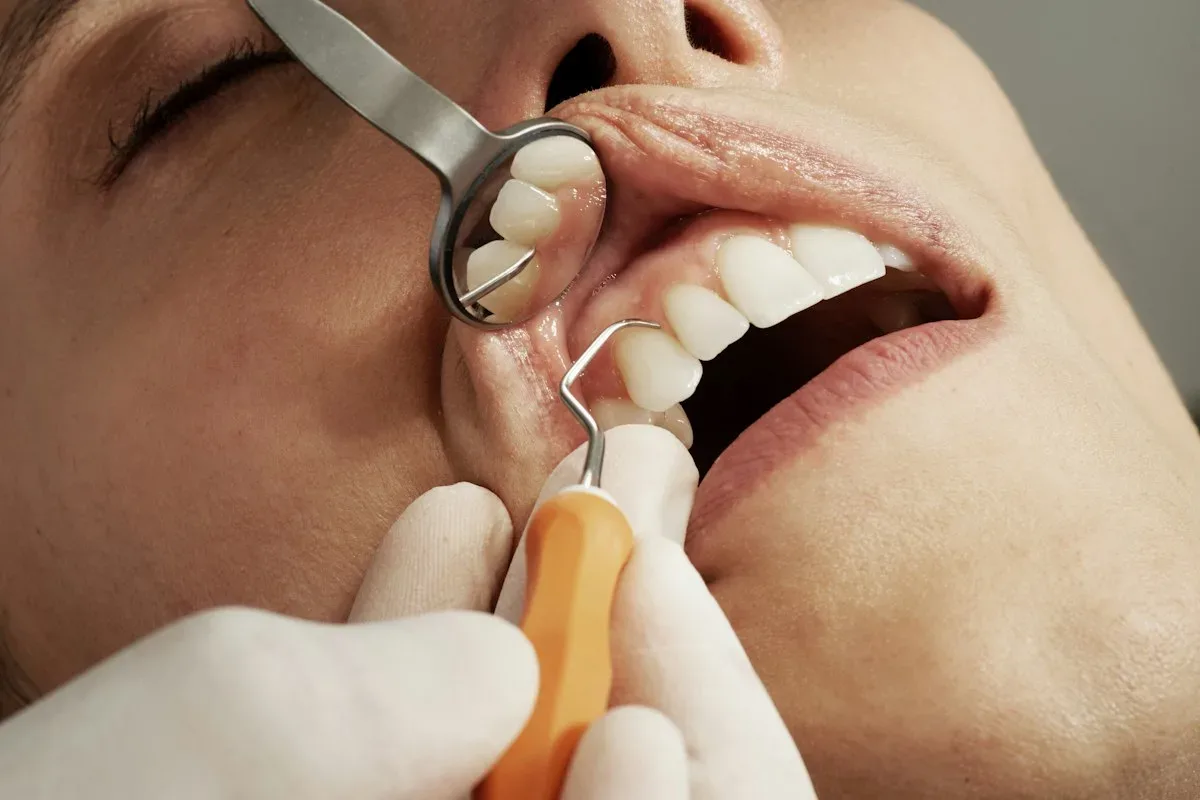
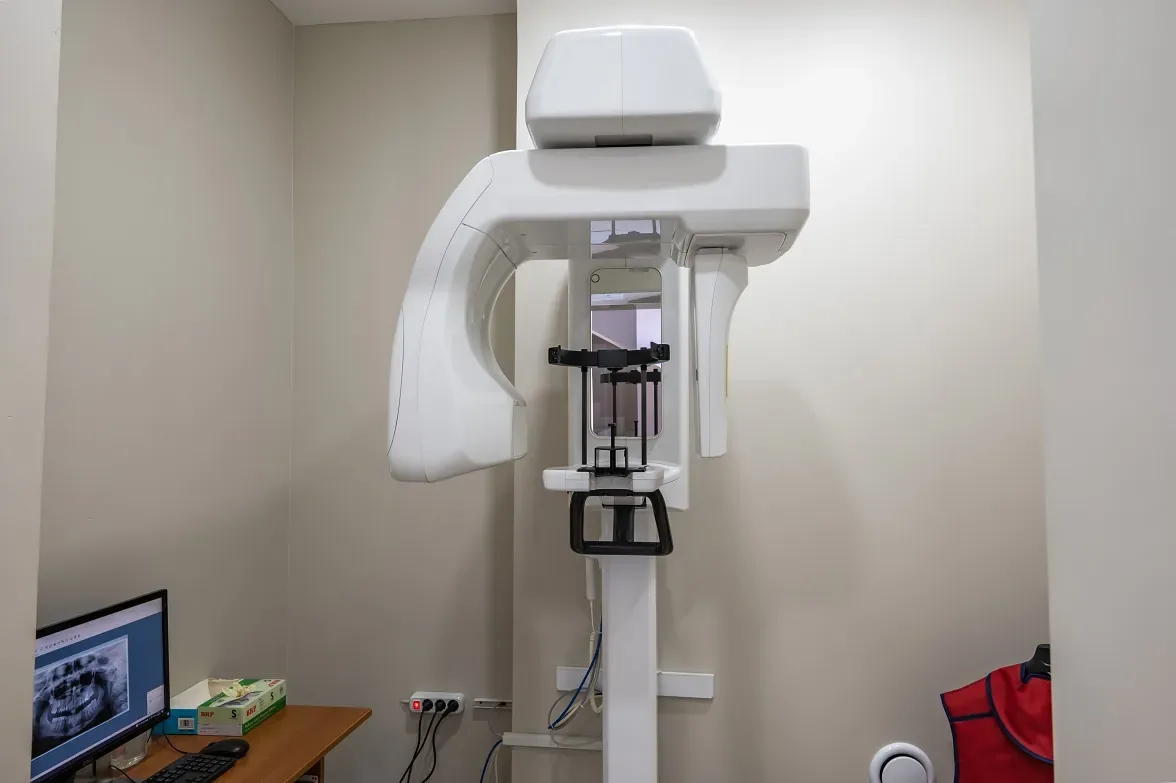
The first step in the treatment process is a detailed clinical examination. Using special periodontal probes, pocket depths between the tooth and the gum are measured, bleeding is recorded, and the degree of tooth mobility is determined. If necessary, radiographic imaging is used to determine the extent of bone loss in the jaw. A diagnosis is made based on all these data, and a treatment plan is created.
Non-Surgical Phase (Initial Treatment)
Almost all periodontal treatments begin with non-surgical approaches. At this stage, deposits, plaque, and tartar on the tooth surfaces are first cleaned with special instruments (scaling). If the disease has progressed and tartar has extended down to the root surfaces, root planing (curettage) is performed. This procedure smooths the root surface, making it harder for bacteria to adhere and allowing the gum to reattach to the clean root surface. The most critical part of the initial treatment is providing the patient with proper brushing and interdental cleaning instruction.
Surgical Phase
In cases that do not respond to initial treatment, where deep periodontal pockets persist, or where anatomical corrections are needed, periodontal surgical procedures may be used. With flap surgery, the gum is lifted and deep cleaning is performed under direct vision, and when necessary, bone grafts (bone powder) or guided tissue regeneration techniques are used in an attempt to recover some of the lost tissues. In cases of gum recession, soft tissue grafts are used to cover exposed root surfaces and address aesthetic and functional losses.
Maintenance (Supportive) Therapy
Periodontal treatment is a process and does not end with the procedures performed in the clinic. After the disease is brought under control, patients need to be monitored at regular intervals (usually at periods ranging from 3 to 6 months) to preserve the health achieved. During these follow-up visits, plaque buildup is reassessed, professional cleaning is repeated if necessary, and the patient’s motivation for oral hygiene is kept up.
Conclusion
Gum diseases are common health problems in society, yet they are often noticed late. Bursa periodontology practices include objective diagnosis and treatment procedures based on scientific data and in accordance with national health standards and patient rights. Early diagnosis, proper treatment planning, and the individual care the patient gives to oral hygiene are among the most important factors ensuring that teeth remain healthy in the mouth for life. In the event of any bleeding or sensitivity, seeking a professional evaluation from a relevant specialist without delay is of great value in preventing larger tissue loss. With the right information, careful care, and regular checkups, having healthy gums is always possible.

Doka Klinik Dental Team
This article is for information only; please consult our dentists for a treatment plan tailored to you.