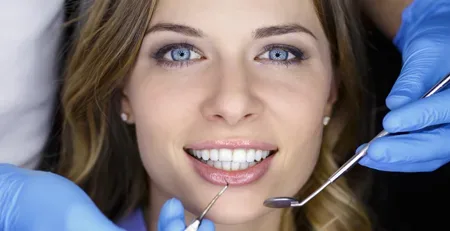
What Is Aesthetic Dentistry?
Aesthetic Dentistry is a concept that has been gaining importance with the increasing use and development of dental technologies today. It covers all treatments performed to achieve an impressive and beautiful appearance.
The main goals of aesthetic dentistry are to achieve the most natural and aesthetic smile suited to a person's characteristic features by correcting color, size, shape, and contour irregularities in the teeth and gums.
Aesthetic dentistry procedures can be applied in all kinds of color, shape, and positional irregularities, tooth wear seen as a result of aging, excessive gum display that does not harmonize with the smile, missing teeth, and crooked teeth.
Proper treatment planning should be carried out by taking the patient's wishes and expectations into consideration as well.
What are aesthetic dentistry procedures?
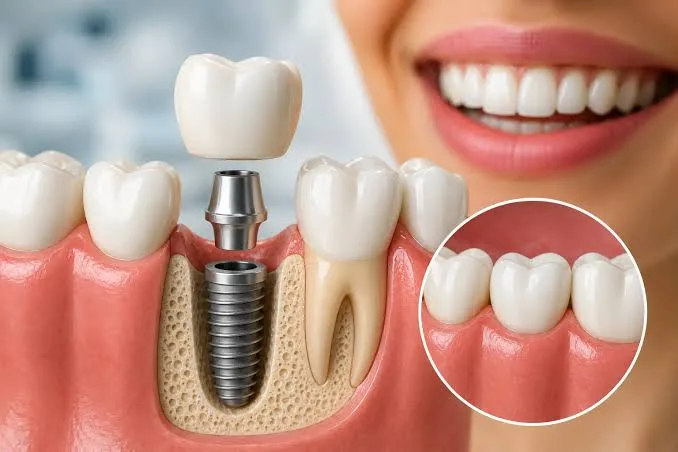
Lamina Veneers (porcelain laminates), Composite Lamina Veneers, Bleaching (Teeth Whitening), Metal-Free Full-Ceramic Crown-Bridge Prosthetic Applications (Zirconium, Empress, E-max Crown Restorations), Implant, Bonding, Composite Fillings, Ceramic Fillings (Inlay-Onlay), and Orthodontic Treatments What Is Pink Aesthetics?
All operations performed to achieve an aesthetic appearance in the gums are called pink aesthetics. White and healthy teeth alone are not enough to create an aesthetic appearance. In addition, gum position, contour, and shape irregularities must be corrected; in cases known as 'gummy smile' caused by excessive gum display, gum visibility must be reduced; teeth without sufficient crown length must be lengthened; and dark discolorations in the gums must be eliminated.
What Is Bleaching (Teeth Whitening)?
Teeth whitening is performed by isolating the gums and applying a whitening gel to the teeth. It has 4 types: Home Bleaching (at-home), Office Bleaching (performed at the dentist's clinic), bleaching applied to a single tooth, and bleaching in which both Home and Office types are used together. Teeth undergoing physiological color changes over time, discolorations caused by medication use during infancy, discolorations in teeth that have undergone root canal treatment, discolorations caused by loss of vitality in teeth as a result of trauma, discolorations caused by amalgam fillings, and discolorations caused by tea and coffee consumption can be corrected with bleaching without the need for prosthetic treatment. The bleaching procedure is effective only on the enamel layer and has no harmful effect on dental tissues. Repeating it once a year increases the permanence of the whitening.

Doka Klinik Dental Team
This article is for information only; please consult our dentists for a treatment plan tailored to you.