Bursa Nilüfer Implant Treatment: A Guide to Healthy, Aesthetic, and Lasting Smiles
Our smile is our strongest personal signature, directly affecting our quality of life, social relationships, and overall health. However, tooth loss can occur due to cavities, severe gum disease (periodontitis), or unexpected physical trauma. According to data from the World Health Organization (WHO), a large portion of adult individuals face at least one tooth loss at some point in their lives. Each missing tooth not only creates an aesthetic gap; over time, it paves the way for irreversible bone loss in the jaw, impaired chewing function, and collapse in facial anatomy. In modern dentistry, the most reliable and tissue-friendly solution that prevents these negative outcomes is bursa nilüfer implant applications.
Nilüfer, Bursa's distinguished district that stands out with its medical and dental infrastructure, is an important center in oral and dental health with its advanced clinic facilities, specialist oral and maxillofacial surgeons, and digital diagnostic technologies. In this comprehensive clinical guide, we will examine step by step the scientific foundations, surgical stages, recovery process, and points to consider in bursa nilüfer implant treatments that help you regain your missing teeth.
[Visual Suggestion 1: A professional and reassuring clinical photo of a maxillofacial surgeon explaining implant stages to a patient using a jaw model and a 3D tomography screen in a spacious, modern, technologically equipped dental clinic in Bursa Nilüfer.]
What Is a Dental Implant and How Does It Work Biologically?
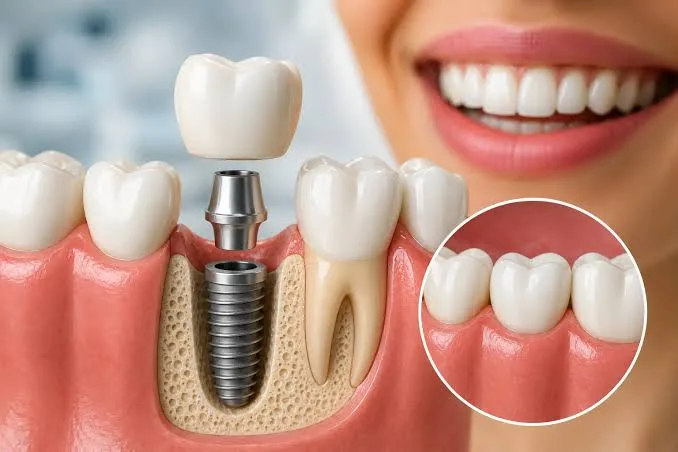
A dental implant is an artificial tooth root in the form of a screw, surgically placed into the jawbone to replace the missing tooth root, usually made of 100% pure titanium or titanium alloys. The key element that made implant treatment a revolution in dentistry is that it restores not only the visible tooth portion but also the biological root structure within the jawbone.
The Biocompatibility of Titanium and the Osseointegration Process
Titanium has high biocompatibility, meaning it is not perceived by the human body as a foreign substance and does not cause tissue rejection. In this process, called "osseointegration" in medical literature, bone cells in the jawbone (osteoblasts) attach to the titanium surface, grow, and make the implant an inseparable part of the jawbone. The fundamental biological success targeted in bursa nilüfer implant treatments is for this fusion process to take place smoothly and completely. Once this biological adaptation period, which takes approximately 2 to 4 months, is completed, the porcelain or zirconium tooth placed on the implant achieves chewing strength as high as that of a natural tooth.
In Which Cases Is Implant Treatment Needed?
Implants can be applied across a broad clinical spectrum, from a single missing tooth to complete toothlessness (total anodontia). This method, which does not require cutting the healthy neighboring teeth, stops bone loss (resorption) because it transmits chewing pressure directly to the jawbone.
In patients who have lost a single tooth and do not want their neighboring teeth filed down,
In cases where bridge prostheses cannot be made due to multiple missing teeth,
In individuals who have lost all the teeth in their lower or upper jaw and cannot use removable dentures, bursa nilüfer implant options offer the most comfortable physiological and psychological solution for the patient.
Bursa Nilüfer Implant Treatment Process: Surgical and Prosthetic Stages Step by Step
A successful implant procedure is not just a surgical operation; it is a detailed engineering and medical project that must be carried out carefully before and after the procedure. In bursa nilüfer implant clinics, the process is carried out through completely digitized and comfortable steps.
Digital Diagnosis and Planning with 3D Volumetric Tomography
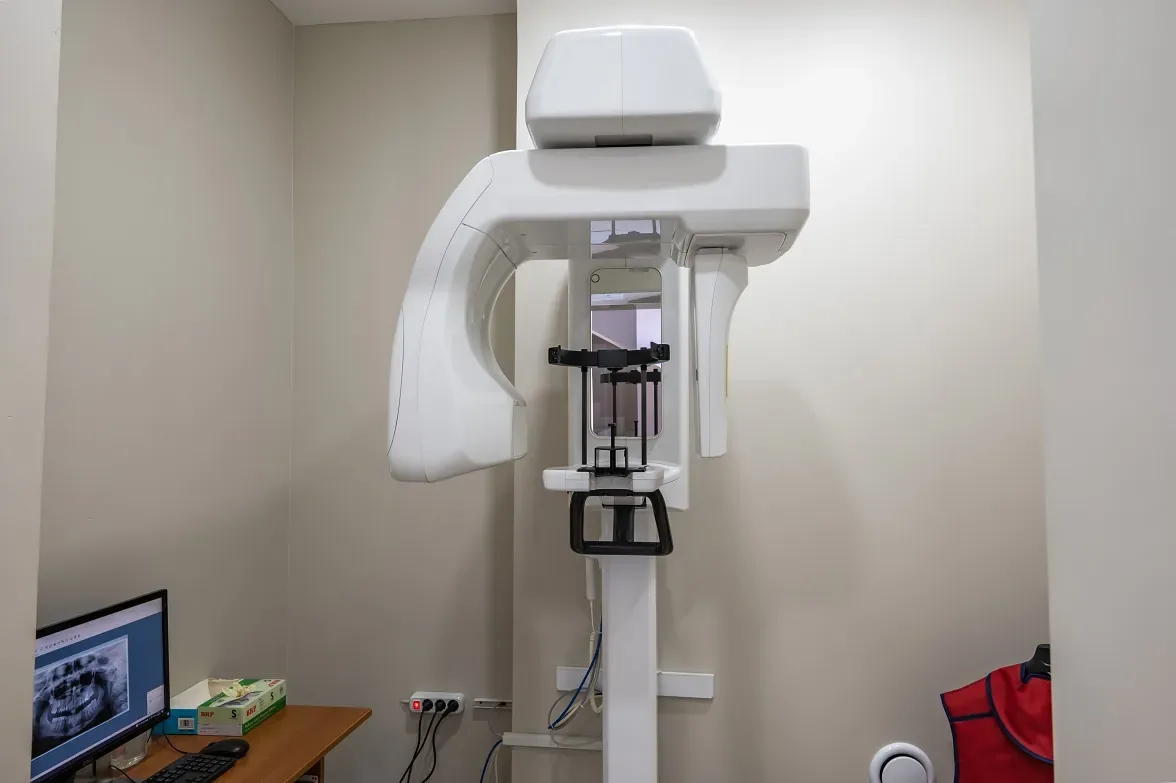
The first and most critical step of a successful treatment is detailed planning. In bursa nilüfer implant clinics, a 3D Dental Volumetric Tomography (CBCT) scan is taken during the initial examination. Unlike standard two-dimensional X-rays, this technology allows the specialist to view the exact millimetric height, width, and quality of the bone, the mandibular nerve canals (Nervus Alveolaris Inferior), and the sinus cavities in the upper jaw in a three-dimensional environment. The angle and position where the implant will be placed are simulated in a virtual environment, reducing the margin of error in the operation to zero.
Surgical Procedure and Recovery Period
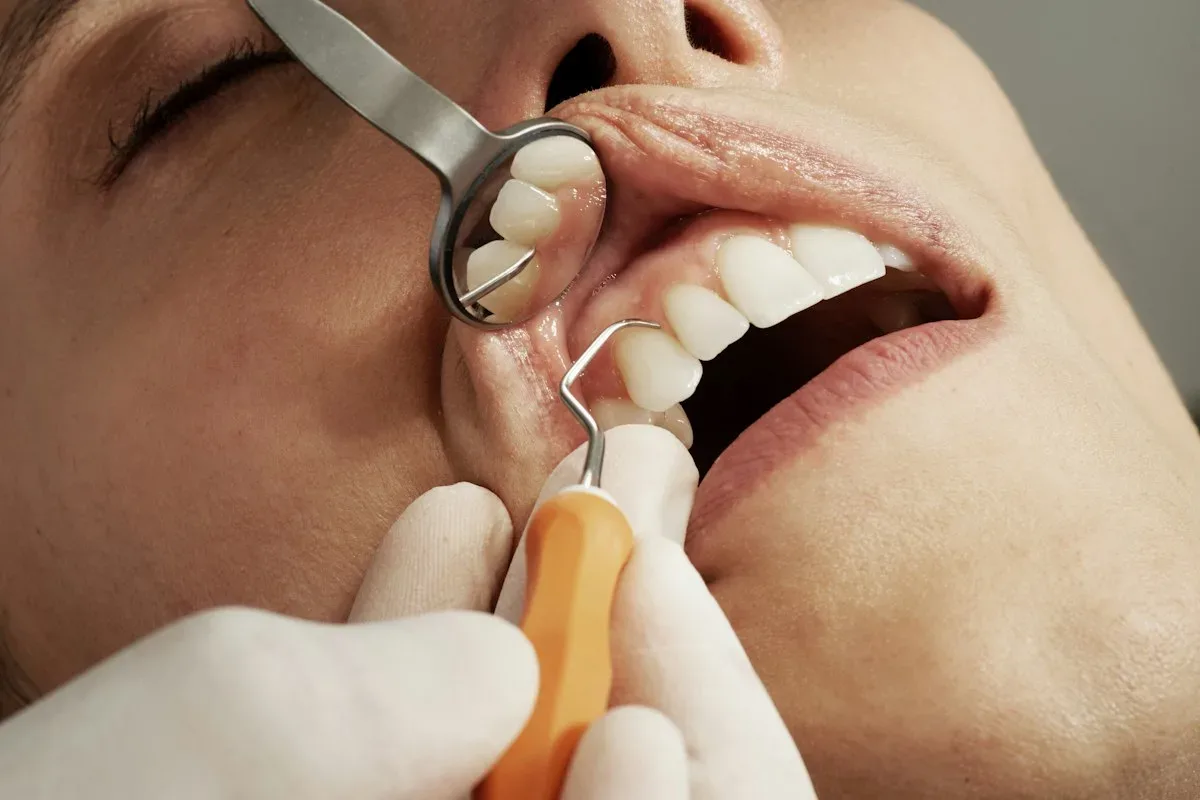
Once planning is complete, the operation is performed under local anesthesia. In the surgical procedure performed without pain or discomfort, a titanium screw is placed into the socket prepared in the jawbone. Placement of a single implant takes an average of 10-15 minutes. After the surgery, an average of 2 months is waited in the lower jaw and 3 months in the upper jaw for the implant to biologically fuse with the jawbone. During this waiting period, the patient continues daily life without interruption with aesthetic temporary prostheses. Once fusion is achieved, an aesthetic zirconium crown is placed on the implant and treatment is completed.
[Visual Suggestion 2: A technology-focused application photo showing the colorful display on a computer screen of a 3D dental scan taken with an intraoral scanner and the design of the zirconium crown on the implant.]
Advantages and Pricing of Implant Treatment in Bursa Nilüfer
Nilüfer, Bursa's district that stands out with its modern urban structure, ease of transportation, and high health standards, attracts attention with its specialist physicians and well-equipped outpatient clinics.
Why Do Dental Clinics in the Nilüfer Area Stand Out?
Most clinics in the region employ specialists in Oral, Dental and Maxillofacial Surgery as well as Prosthodontics. bursa nilüfer implant centers, where advanced surgical techniques (bone grafting, sinus lifting, All-on-4 / All-on-6 concepts) are successfully applied, offer patients a safe comfort zone with their high sterilization standards and digital infrastructure.
The table below compares the main clinical differences between dental implant treatment and traditional bridge prosthesis:
Comparison Criterion | Dental Implant Treatment | Traditional Bridge Prosthesis |
Effect on Neighboring Teeth | Neighboring teeth are not touched; it is completely independent. | The healthy teeth on the sides are reduced to provide support. |
Jawbone Support | Stimulates the bone, stops resorption, and preserves volume. | Because there is no tooth root, the bone underneath continues to resorb. |
Service Life | With proper care, it offers lifelong permanence. | Average 7-12 years (There is a risk of decay in the supporting teeth). |
Chewing Capacity | Equivalent to 95-100% of the chewing force of a natural tooth. | Provides a force of about 60-70% of a natural tooth. |
Key Clinical Factors Determining Implant Prices
The frequently researched bursa nilüfer implant prices are shaped not by a single fixed figure but by the patient's clinical condition after examination. The main factors affecting pricing are:
Implant Brand and Origin: Premium brands from Switzerland, Germany, and Sweden with clinically proven success worldwide have different R&D and production costs than domestic or South Korean implants.
Bone Volume and Need for Additional Surgery: In cases of insufficient bone, bone powder (graft) or upper jaw sinus lift (sinus lifting) procedures require additional biomaterial use.
Prosthesis (Superstructure) Material: Whether the tooth to be placed on the implant will be metal-supported porcelain or tissue-friendly, highly aesthetic zirconium affects the total budget.
[Visual Suggestion 3: A macro-scale before/after smile photo of a patient who had missing teeth before treatment and achieved a natural, bright white, and confident smile after bursa nilüfer implant application.]
Conclusion: A Valuable Investment in Your Future and Health
Completing your missing teeth not only restores your chewing function and aesthetics; it is also the most valuable way to protect your jawbone health, digestive system, and confidence in your social life. With advanced medical infrastructure, specialist maxillofacial surgeons, and a patient-centered approach, you can safely achieve the natural and strong smile you dream of at bursa nilüfer implant clinics. Delaying tooth loss may cause the existing bone tissue to resorb over time and lead to the need for more complex surgical procedures in the future, so it is recommended that you take the first step by consulting a specialist dentist for early diagnosis and planning.
Legal Notice and Information
This content has been prepared solely to inform the public about oral and dental health and implantology applications, in full compliance with the provisions of Law No. 1219 on the Practice of Medicine and Its Branches and the Regulation on Promotional and Informational Activities in Health Services of the Ministry of Health. The information in the content does not include any definitive diagnosis or treatment guarantee for any disease and does not contain any commercial promise. To determine whether your oral and jaw structure is suitable for implant treatment, you must consult a specialist dentist and undergo an in-person clinical examination.
The Floor Is Yours! What concerns you most in the process of replacing your missing teeth? Is it the pain concern during the implant operation, the condition of your bone structure, or budget planning? Or what experiences have your relatives who have previously undergone bursa nilüfer implant treatment had? Share all your questions, concerns, and experiences with us in the comments below; let our specialist physicians answer your questions with great pleasure!

Doka Klinik Dental Team
This article is for information only; please consult our dentists for a treatment plan tailored to you.