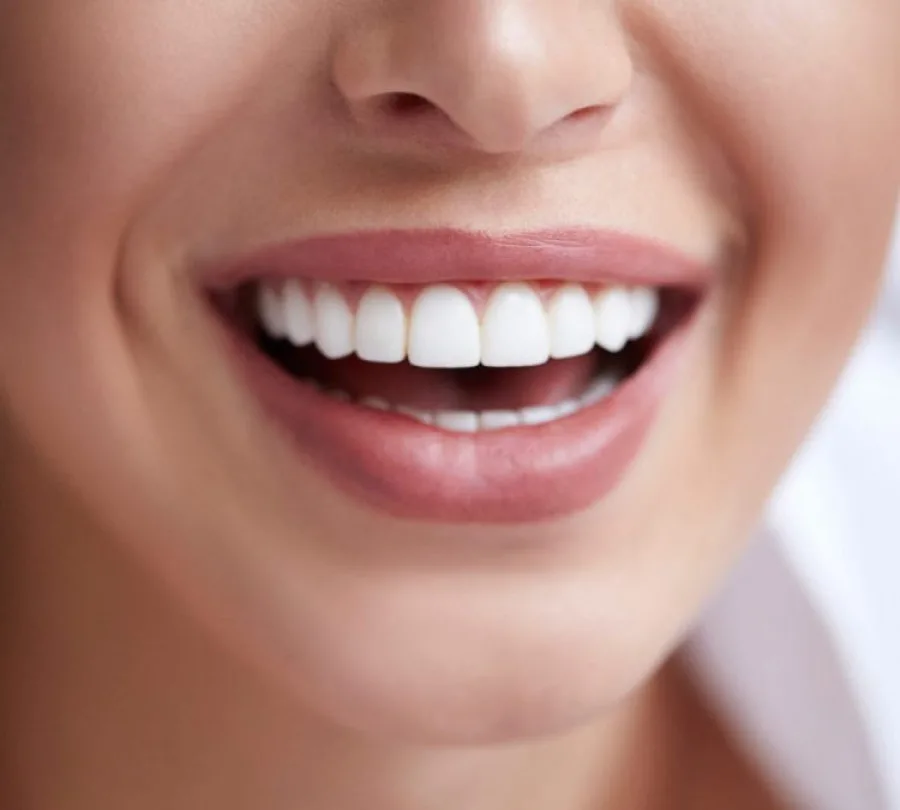
Bursa Crown Restoration: Aesthetic and Durable Solutions for Your Worn Teeth
A healthy oral structure is the cornerstone of a functional digestive system and a confident social life. However, factors such as genetic predisposition, advanced decay, physical trauma, or years of teeth grinding (bruxism) can cause significant loss of the natural enamel structure of our teeth. In cases of such extensive damage, where standard composite fillings that only repair a small part of the tooth are insufficient, it is medically necessary to resort to prosthetic approaches that fully encase and protect the tooth. In modern clinical dentistry, the most effective method that saves the tooth from extraction and restores its former biomechanical strength and aesthetics is Bursa crown restoration (dental crown) treatment.
The International Dental Federation (FDI) and clinical studies demonstrate that crown restorations prepared with the right material selection and precise craftsmanship can extend the functional life of a tooth for decades. In Bursa crown restoration centers where modern technology is integrated into dentistry, digital scanners (intraoral scanner) and CAD/CAM systems now make it possible to produce restorations with micron-level precision that perfectly match patients’ facial contours and chewing dynamics. In this detailed guide, we will examine the biological function of crown restoration, the high-end materials used, and the clinical application steps within a scientific framework.
[Visual Suggestion 1: A bright and professional photo in a modern Bursa dental clinic, where the dentist explains a 3D crown restoration design to the patient via a digital tablet or monitor.]
What Is a Crown Restoration (Dental Crown) and Why Is It Used?
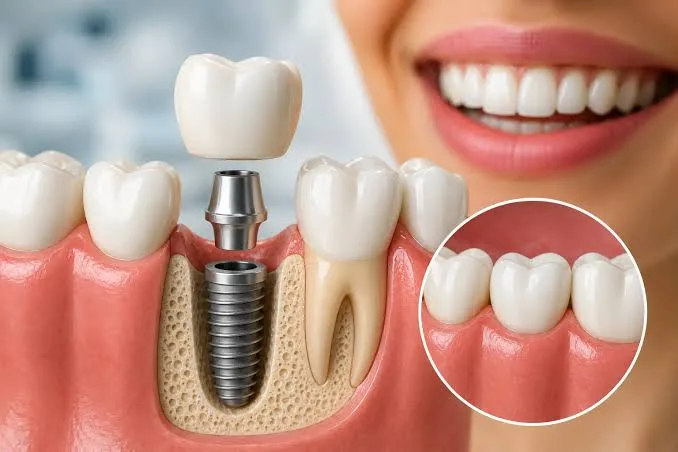
A crown restoration is a biocompatible restoration that completely covers the tooth like a cap when the crown portion of the natural tooth has lost its structural integrity due to decay, fracture, or aesthetic deformities. This procedure not only gives the tooth a new and white appearance, but also acts as a mechanical shield that protects the tooth root and the surrounding gum tissue.
A Mechanical Shield That Preserves Tooth Integrity
When a large cavity is removed or root canal treatment (endodontic treatment) is performed, the tooth’s structure weakens and becomes brittle because the vascular and nerve bundle that nourishes the tooth is removed. Vertical and horizontal forces during chewing (tens of kilograms of pressure per square centimeter) can cause vertical root fractures in a weakened tooth. Bursa crown restoration procedures distribute this chewing pressure evenly across the entire surface of the tooth, preventing fracture and preserving its stability within the alveolar (jaw) bone.
Key Indications Requiring Crown Restoration
In clinical evaluations, the main indications that require a prosthetic crown rather than a standard filling for a tooth are as follows:
Teeth That Have Undergone Root Canal Treatment: For protecting teeth that have lost their vitality, become dehydrated, and become brittle.
Extensive Material Loss: In cases where multiple walls (cusps) of the tooth have fractured or been lost due to deep decay.
Implant-Supported Restorations: For creating a functional tooth structure on titanium implants placed in the jawbone.
Occlusal Problems and Aesthetic Revisions: For prosthetic correction of severe discoloration between teeth, shape irregularities, or minor alignment issues.
Clinical Emphasis: Crown restoration is the final and strongest protective barrier before extracting the tooth and replacing it with an implant. Keeping your own natural tooth root in the mouth biologically prevents the resorption of your jawbone.
Which Materials Are Preferred in Bursa Crown Restoration Centers?
Thanks to advances in dental material technologies, different crown materials are used according to the patient’s intraoral area (front teeth/back teeth) and aesthetic expectations. Bursa crown restoration processes are primarily defined by the selection of a biocompatible material appropriate to the dentist’s diagnosis, which determines quality and longevity.
[Visual Suggestion 2: A macro shot in a laboratory or clinic setting, showing zirconium, e-max, and metal-supported porcelain crowns side by side under light, clearly highlighting the differences in light transmittance.]
Zirconium Crowns: Tissue-Friendly and Highly Durable
Zirconium dioxide (ZrO2) is a very strong element found in nature and one of the most successful innovations replacing metal in dentistry. Bursa crown restoration zirconium crowns, often preferred in treatments, do not create a gray/purple reflection at the gum margin because they do not contain metal. They have high light transmittance and provide an optical depth very close to natural enamel. At the same time, they show outstanding fracture resistance (flexural strength) against the high chewing pressure in posterior (molar) teeth. The risk of allergic reaction is zero, and they provide perfect biological harmony (biocompatibility) with the gum flora.
E-Max (Lithium Disilicate) and Traditional Porcelains
Especially when maximum aesthetics is sought in the front incisor area (the smile line), E-Max (all-ceramic) crowns, which have even higher light transmittance than zirconium, are preferred. Made from lithium disilicate glass ceramic, E-max optically mimics natural teeth exactly; however, because its flexural strength is lower than zirconium, it is generally not preferred alone for posterior molars that are exposed to high pressure. Traditional metal-supported porcelains are more economical solutions that contain a strong metal alloy inside. Although they have largely been replaced by zirconium today due to their aesthetic disadvantages (dull appearance and lack of light transmission), they can still be used for the purpose of biomechanical support in long-span bridge restorations.
You can review the comparison of the clinical features of crown restoration materials in the table below:
Crown Material | Light Transmittance (Aesthetics) | Fracture Resistance (Strength) | Gum Compatibility | Ideal Use Area |
Zirconium | High (Natural reflection) | Excellent | Perfect (Does not cause discoloration) | Front and back teeth, bridges, implant-supported |
E-Max (Ceramic) | Excellent (Highest aesthetics) | Good (Sufficient for the front area) | Perfect | Single-tooth restorations in the front group (incisors) |
Metal-Backed Porcelain | Low (Opaque/Matte appearance) | Very High | Medium (Risk of graying over time) | Long-span bridges in the posterior region (Economical alternative) |
Bursa Crown Restoration Process: Digital and Comfortable Steps
In modern Bursa crown restoration clinics, treatment processes are carried out not with impression materials that used to cause nausea or with weeks of waiting, but with computer-assisted digital dentistry protocols. This digital workflow eliminates the margin of error while significantly shortening the time the patient spends in the chair.
3D Scanning and Computer-Aided Smile Design (CAD/CAM)
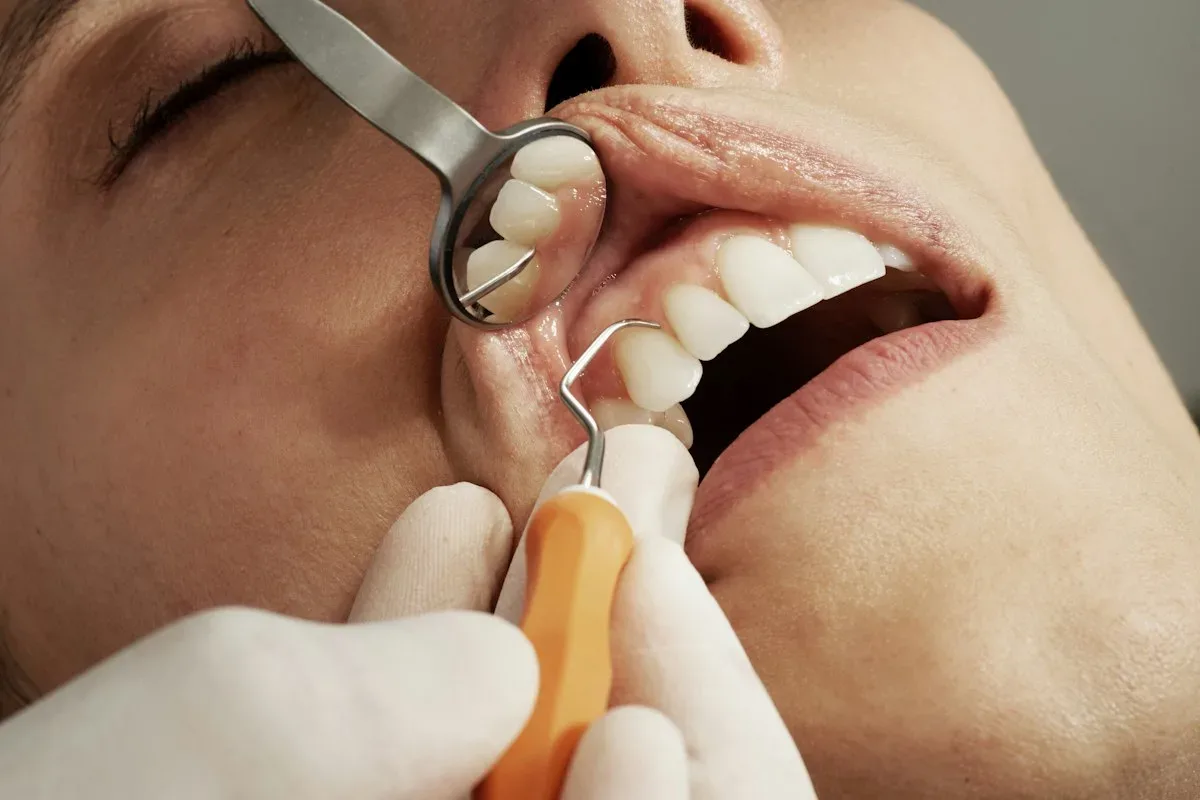
The tooth to receive the crown is cleaned of decay by the dentist and reduced millimetrically with the help of special burs (preparation) to create the form on which the restoration will sit. Then, instead of traditional impression trays, intraoral optical cameras (intraoral scanner) are used to capture thousands of images of the tooth within seconds, and a 3D virtual model is created in the computer environment. This digital impression is transferred to CAD (Computer-Aided Design) software. The bite relationship with the opposing teeth (occlusion), the patient’s facial symmetry, and the anatomical form of the neighboring teeth are calculated, and the new crown design is flawlessly modeled digitally.
Tooth Preparation and Cementation
The prepared design is sent to CAM (Computer-Aided Manufacturing) devices (3D milling machines), and the crown is obtained by milling micron-precision from single-piece zirconium or ceramic blocks.
The final and most critical step in the process is the cementation stage. Bursa crown restoration practice involves trying the manufactured restoration in the patient’s mouth at the clinic. Marginal adaptation, color transitions, and the patient’s bite balance are checked. If everything is ideal, the tooth surface and the inner surface of the crown are roughened with special chemical solutions (etching and bond). Then, in an environment completely isolated from saliva, the crown is permanently fixed to the tooth (sealed) using medical resin cements (strong biocompatible adhesives). When the procedure is complete, the patient leaves the clinic with a completely functional and aesthetic new tooth.
[Visual Suggestion 3: A before-and-after clinical case photo: the before image shows a root canal-treated, darkened, and largely broken molar tooth, and the after image shows a zirconium crown restoration with a natural and healthy appearance in perfect harmony with the gum.]
Conclusion: Don’t Wait Too Long to Protect Your Teeth
Leaving a weakened, decayed, or root canal-treated tooth unprotected against fracture is the biggest risk factor leading over time to the complete loss and extraction of that tooth. At the current point reached by technology and medical innovations, Bursa crown restoration treatments give your teeth not only aesthetic whiteness, but also functional resistance that stands the test of time. Thanks to tissue-friendly, non-allergenic materials such as zirconium and all-ceramic, which support gum health, it is almost impossible to distinguish the restorations from your own natural teeth.
Do not delay seeking support from specialist prosthetic dental treatment teams to prevent tooth loss, which directly affects your digestive health and smile aesthetics, and to keep your existing roots healthy in the mouth. In our clinic equipped with advanced technology, you can comfortably achieve your new smile with digitally designed restorations made specifically for you.
Legal Notice and Information
This content has been prepared solely to scientifically inform patients and the public about oral health and crown restorations, in full compliance with the provisions of Law No. 1219 on the Practice of Medicine and Its Branches and the Regulation on Promotional and Informational Activities in Health Services. The information in this content does not contain a definitive diagnosis or a "guaranteed result" for any disease. To determine the most suitable crown material and treatment indication for your tooth structure, you must consult a specialist dentist and undergo an in-person clinical and radiographic examination.
Over to You! Do you have a tooth that you previously had root canal treatment on but did not have crowned, and as a result experienced fracture or discoloration problems? Does the discoloration (graying) problem that traditional metal-backed porcelains create on the gums catch your attention, or does zirconium’s natural light transmittance make you feel more confident? Bursa crown restoration processes, your aesthetic expectations, or any questions you may have about the treatment—share them with us in the comments section below; let our expert dentists answer with great care!

Doka Klinik Dental Team
This article is for information only; please consult our dentists for a treatment plan tailored to you.