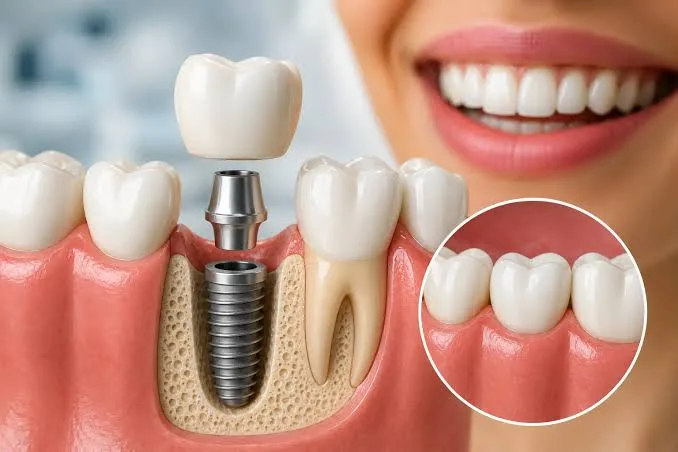

You should not wait until you have dental and oral symptoms to visit your dentist. Seeing a dentist twice a year will usually help them detect a possible problem before you notice any symptoms.
If you experience any of the following signs of dental health problems, you should make an appointment to see your dentist as soon as possible:
- Ulcers, sores, or sensitive areas in the mouth that do not heal within one or two weeks
- Bleeding or swollen gums after brushing or flossing
- Chronic bad breath
- Sudden sensitivity to hot and cold drinks
- Toothache
- Loose teeth
- Gum recession
- Pain while chewing or biting
- Swelling of the face and cheek
- Clicking of the jaw
- Cracked or broken teeth
- Frequent dry mouth
If any of these symptoms are accompanied by a high fever and swelling in the face or neck, you should seek emergency medical attention. Our patients in Bursa Nilüfer and surrounding districts can visit our clinic to learn more about oral health and dental care.
Causes of Dental and Oral Diseases
Your oral cavity can collect all kinds of bacteria, viruses, and fungi. Some belong there and make up the normal flora of your mouth. In small amounts, they are usually harmless. However, foods high in sugar create conditions in which acid-producing bacteria can thrive. This acid dissolves tooth enamel and causes tooth decay.
Bacteria in the gums develop in a sticky matrix called plaque. If it is not removed regularly with brushing and flossing, plaque builds up, hardens, and moves down along the length of your tooth. This can cause a condition in your gums known as gingivitis.
Increased inflammation causes your gums to start pulling away from your teeth. This process eventually creates serious problems. This more advanced stage of gum disease is called periodontitis.
There are many factors that cause gingivitis and periodontitis, including the following:
- Smoking
- Poor brushing habits
- Frequent snacking on sugary foods and drinks
- Diabetes
- The use of medications that reduce the amount of saliva in the mouth
- Family history or genetics
- Hormonal changes in women
- Acid reflux or heartburn
- Frequent vomiting due to acid
Diagnosis of Oral and Dental Diseases
Most oral and dental problems can be diagnosed during a dental examination. During an examination, your dentist will closely examine the following:
- Teeth
- Mouth
- Throat
- Tongue
- Cheeks
- Jaw
- Neck
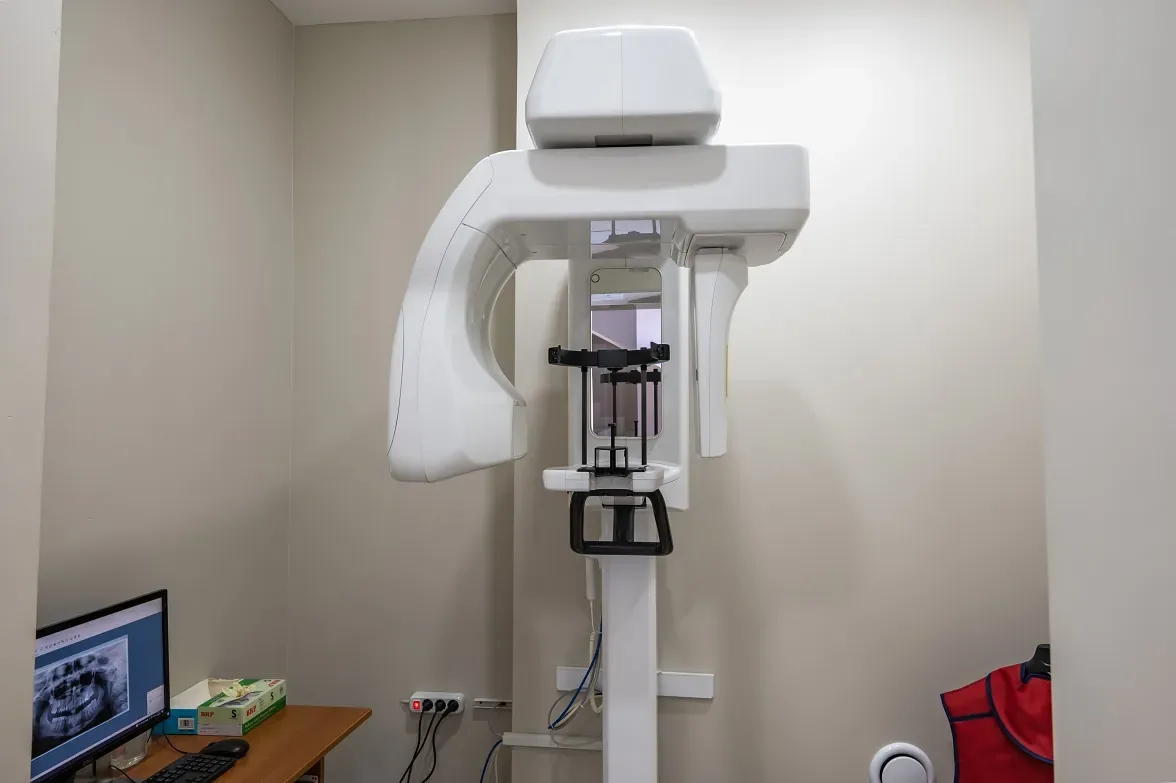
Your dentist may gently tap your teeth with various medical instruments to help with the diagnosis. A technician at the dentist's office will take dental X-rays of your mouth to capture an image of each of your teeth. If you are pregnant, you should tell your dentist about this. Pregnant women should not have X-rays.
A tool called a probe may be used to measure your teeth. This small ruler helps your dentist determine whether you have gum disease or gum recession. In a healthy mouth, the depth of the pockets between the teeth is usually between 1 and 3 millimeters (mm). Any measurement above this may mean that you have gum disease.
If your dentist encounters any abnormal conditions in your mouth, they may perform a gum biopsy. During a biopsy, a small piece of tissue is taken. The sample is then sent to a laboratory to be examined under a microscope to check for cancer cells.
If oral cancer is suspected, your dentist may also want to see the following imaging tests:
- X-ray
- MRI scan
- CT scan
- Endoscopy
To learn the details of teeth whitening services, we recommend reading our related article about Teeth Whitening.

Doka Klinik Dental Team
This article is for information only; please consult our dentists for a treatment plan tailored to you.